A Weekend Guide to a Walkable Coastal City
A two-day plan built around the waterfront, a slow market morning and streets that are easy to explore on foot.
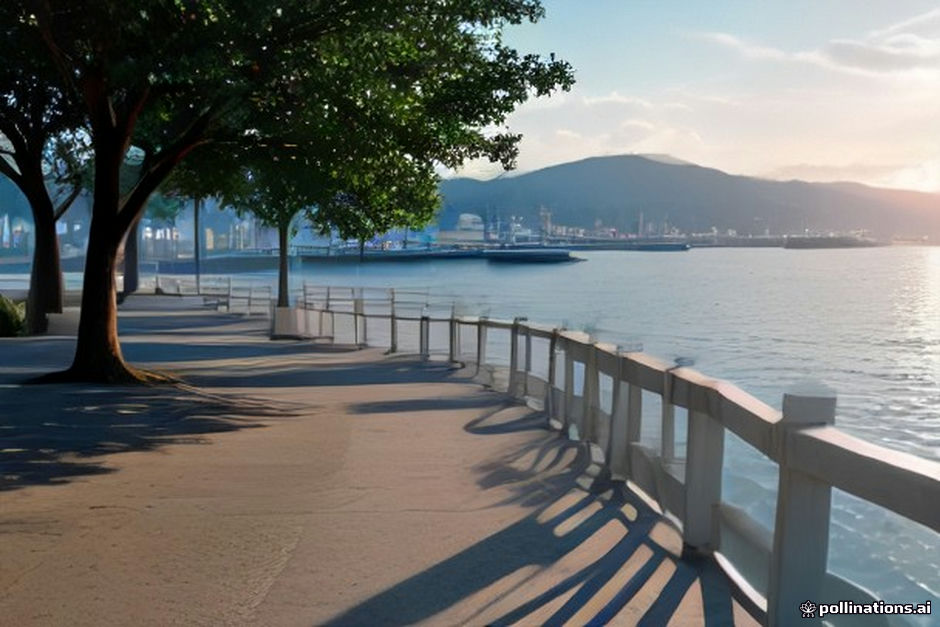
Arrive before lunch, leave the car at the hotel and let the waterfront set the pace. The best parts of a small coastal city are usually within a short walk of each other.
Start at the waterfront
Begin with the promenade rather than the main square. The first walk tells you where the harbor, the old streets and the busiest cafes sit in relation to each other.
Keep the first hour unscheduled. A short walk without a destination is the fastest way to understand the scale of a place and the rhythm of its mornings.

Leave room for the market
A market breakfast is more useful than a guidebook list. It shows what the region grows, what the kitchens value and how locals start the day.
Ask one question before you order. Vendors are often happy to explain which item is in season, and that answer usually leads to a better plate than the first option on the board.

A walkable afternoon
After lunch, follow the streets that climb away from the harbor. They tend to open into viewpoints, small plazas and independent shops that are missed by tour routes.
Set a turning point rather than a route. Walk until you reach a landmark, then head back by a different street so the return feels like a new part of the city.
The last evening
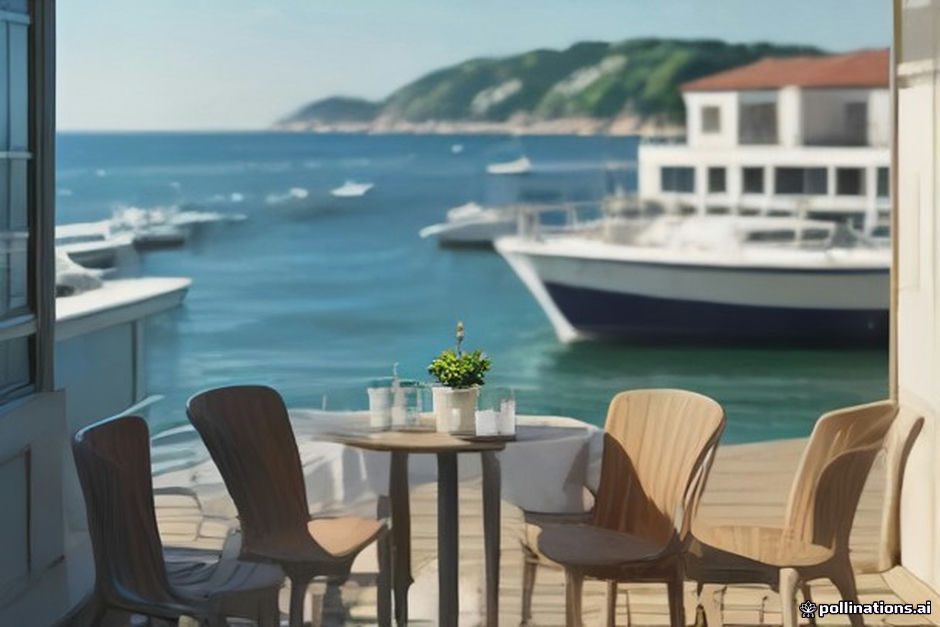
Save the final hours for the waterfront again. The same promenade feels different after sunset, when the boats settle and the restaurants slow down.
Book dinner near where you are staying. A short walk back makes the evening feel complete and avoids the rushed transfer that can spoil a two-day trip.

A coastal weekend works best when the plan leaves space for the street you did not expect.
More guides
A Slow Rail Trip Through Small Towns · Start a Trip With a Market Breakfast
Questions or a correction? contact us.